Crawl Space Water Extraction in West Yarmouth, MA
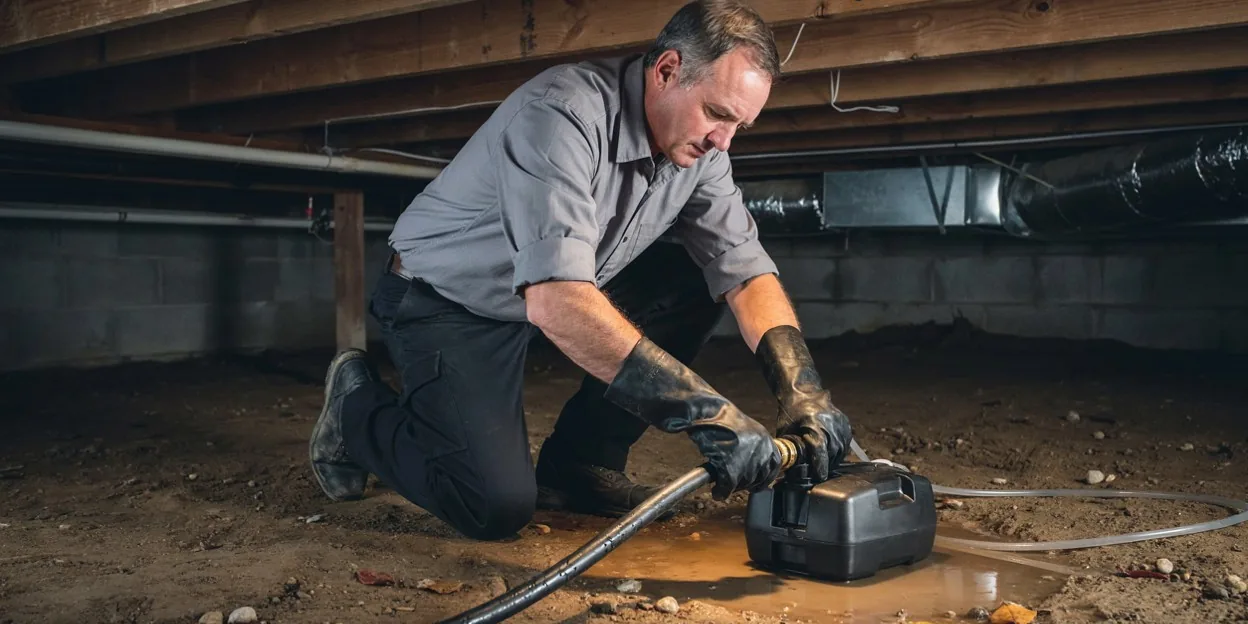
The first floor of your Bass River cottage has smelled damp since the March storms, and last weekend you finally pulled the hatch in the closet floor and shined a light down. There is standing water over the sand, the insulation between the joists is hanging in wet sheets, and the ductwork is sitting in it. We put you on the phone with an independent local provider who does crawl space water extraction in Yarmouth and across Barnstable County.
What the crew does first
The crew goes under the house with a light and a meter. They find the source, because a crawl space can fill from three directions: groundwater rising through the sand, rain running in through the vents and the foundation, or a plumbing leak dripping through from above. Each one gets a different fix, and the crew tells you which one it is.
Then they pump out the standing water and pull the wet insulation, because fiberglass that has been soaked holds water against the joists for weeks. They meter the joists, the sills, and the underside of the subfloor. Air movers and a dehumidifier go into the space, sometimes with the vents sealed so the machines are not fighting the sea air, and they come back to check readings until the framing is at target.
What to do in the next hour
Stay out of the crawl space if there is standing water and any wiring or ductwork in it. If the water is coming from a pipe, shut the main valve or the pump breaker. If a sump pump is down there and has failed, check the breaker and the float, but do not stand in the water to do it.
Photograph the water, the insulation, and anything stored under the house from the hatch. Note where the smell is strongest upstairs. Then make the call.
What is usually saved and what is not
Framing and subfloor usually dry in place once the water is out and the insulation is gone. Wet fiberglass insulation comes out. Vapor barrier that has silt on it is replaced. Anything stored in the space that sat in water is usually a loss.
Flex duct that filled with water is generally replaced, and rigid duct is cleaned and checked. If the water came from a plumbing leak that also soaked the rooms above, the upstairs is handled as water extraction and structural drying. If the space is a full basement rather than a crawl, read about basement flooding cleanup.
Barnstable County notes
The Cape is sand on top of more sand, and the water table under much of Yarmouth, Dennis, and Harwich sits within a few feet of the surface. Cottages and Capes built here from the 1940s through the 1970s were set on block piers or a short block wall over an open crawl space, with the dirt floor a foot or two above the seasonal high groundwater. After a wet winter or a hard nor'easter, that groundwater comes up into the space and stays there.
The neighborhoods along the tidal rivers and the bays are the repeat callers: Bass River and Parkers River in Yarmouth, Swan River in Dennis Port, the Herring River in Harwich, and the low streets around Lewis Bay. The salt marsh does not stop at the property line.
A wet crawl space rots sills and joists, rusts ductwork, and pushes damp air up into the house all summer. It also sits next to the Title 5 septic tank and leach field in most yards on the Cape, and a system that has been flooded can push wastewater toward the house. Tell the crew if the yard flooded or the septic alarm went off. Groundwater seepage is rarely covered by a homeowner policy. Water from a broken pipe often is. Ask the crew to photograph the source and record the readings either way.
Calling about crawl space water extraction
Say whether the water is standing or the space is just damp, and whether you know where it came from. Say if there is ductwork, wiring, or a water heater in the space, whether there is a sump pump, and whether the rooms above feel damp. Mention if the yard or septic system flooded. Call (508) 419-9161 now and tell us what you see.